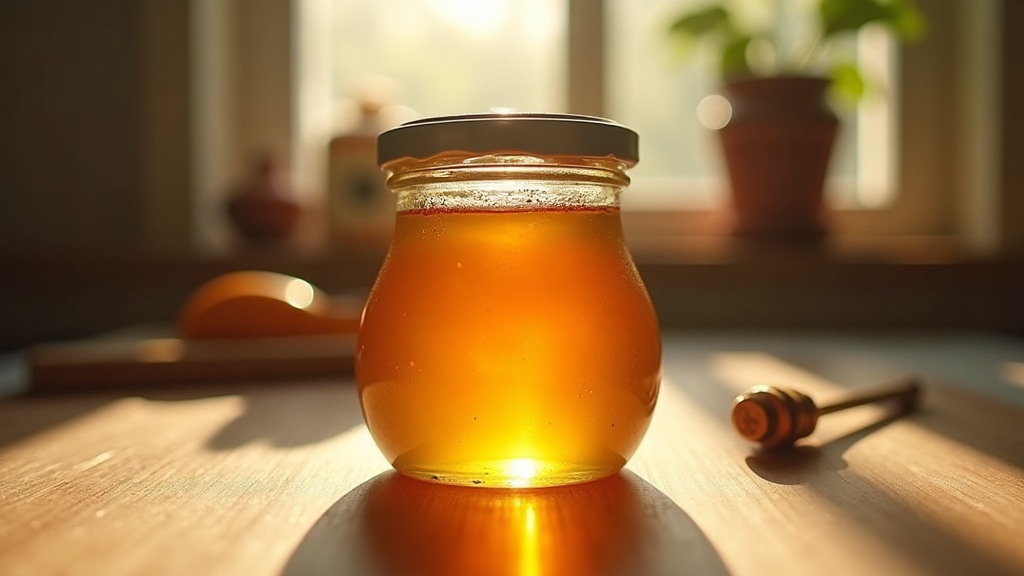
Long before modern routines took over, many households kept a jar of honey close at hand. Today, that quiet habit is getting a second look — as part of daily rituals for adults paying closer attention to focus and everyday mental sharpness after 50.
Most changes in focus and recall don’t happen overnight — they show up quietly, woven into the small rituals of everyday life. Before looking at anything else, it helps to understand what’s really going on beneath the surface.
Many adults notice that the mental sharpness they once had first thing in the morning takes a little longer to arrive than it used to.
Sleep patterns naturally shift with age, and a night of tossing and turning often shows up the next day as scattered thoughts or misplaced keys.
Concentration that once held steady through a long task can now wander after just a few minutes, especially in the afternoon.
Many households once kept honey on the counter as part of a daily ritual — a small habit that quietly faded as modern routines sped up.
There’s a lot of noise around aging, memory, and natural habits. Here’s a grounded look at three common assumptions.
Any change in memory means something is seriously wrong.
Some shifts in recall and focus are a typical part of the aging process and don’t automatically signal a serious concern.
Daily habits are too small to matter for how you feel day to day.
Consistent routines — including what you eat, how you sleep, and how you start your morning — are widely studied for their role in everyday wellbeing.
Natural ingredients like honey are just old wives’ tales.
Honey has a long documented history in traditional practices, and modern researchers continue to study its properties with genuine interest.
This isn’t about overhauling your life. It’s about paying attention, one small adjustment at a time.
Start by paying attention to when your focus feels sharpest and when it tends to fade. Most people notice a rhythm within a week or two of simple observation.
Rather than changing everything at once, choose a single daily habit — like a morning routine — and give it your full attention for a few weeks.
Habits that support everyday wellbeing tend to work best when practiced consistently over time, not perfectly every single day.
Long before supplement aisles existed, many cultures relied on natural staples passed down through generations. Honey, in particular, has appeared in traditional practices across continents for centuries, often kept within easy reach as part of daily life. Today, that same curiosity has carried into modern research circles, where scientists continue to explore natural compounds and their place in everyday routines.
The takeaway isn’t that old traditions had it all figured out — it’s that revisiting simple, time-tested habits is worth doing thoughtfully, especially as routines naturally evolve with age.
Keys, glasses, or a phone turning up in unusual spots more frequently than before.
Walking into a room and forgetting why, or pausing mid-conversation to recall a point.
A noticeable dip in concentration after lunch that wasn't there a few years ago.
Familiar names taking a few extra seconds, or even minutes, to surface.
Waking up several times a night and feeling that mental fog carry into the morning.
Needing written lists or phone alerts for small tasks that used to feel automatic.
Testimonials reflect individual experiences and personal opinions. They are not a guarantee of any particular outcome, and results vary from person to person.
It’s an educational video exploring the history and modern interest in a natural ingredient, honey, and its traditional role in daily routines, particularly among adults over 50.
No. The video is intended for educational and informational purposes only and does not promise or guarantee any specific outcome.
No. Nothing in this content should be treated as medical advice. Always consult a qualified healthcare professional regarding any health concerns.
Honey has a long-standing presence in traditional practices across many cultures and continues to draw interest from modern researchers, which makes it a compelling topic to explore.
This page shares general educational context. Any related offers you may encounter afterward are separate and clearly marked as such.
It’s a short, focused watch designed to fit easily into a normal day.
It’s designed primarily for adults aged 50 and older who are curious about daily habits and traditional ingredients, though anyone interested is welcome to watch.
Watch the short video to see what tradition and modern curiosity both point to, at your own pace, with no obligation.
Advertising Disclosure: This page contains sponsored content and affiliate links. If you click through and make a purchase, we may receive compensation at no additional cost to you. This helps support the educational content provided on this site.
Content Disclaimer: This content is provided for educational and informational purposes only. It has not been evaluated by the FDA. Nothing on this page is intended to diagnose, treat, cure, or prevent any disease or health condition. Always consult a qualified healthcare professional before making any changes to your health routine.
Results Disclaimer: Individual results and experiences vary from person to person. Testimonials shared on this page reflect personal opinions and are not a guarantee of any specific outcome for any individual.
© 2026 · All Rights Reserved · /contact/